As Toronto and the Greater Toronto Area (GTA) continue to grow, so does the commitment to sustainable practices. Eco-friendly car recycling is no longer just an alternative, it's a vital component of urban environmental stewardship. At Scrap Car Ontario, we understand the importance of responsible vehicle disposal, offering sustainable solutions that benefit both our customers and the planet. When your old or damaged vehicle reaches the end of its life, choosing an environmentally conscious recycling service ensures that valuable materials are recovered and harmful substances are safely managed, contributing to a cleaner, greener Toronto.
Eco-friendly car recycling involves a methodical approach to decommissioning vehicles, ensuring that every possible component is either reused, recycled, or disposed of responsibly. This process goes far beyond simply crushing a car; it's a comprehensive system designed to minimize environmental impact and maximize resource recovery. For Toronto residents, understanding these pillars provides insight into the value of professional, licensed auto recyclers.
Stricter Depollution Steps: Protecting Our Environment
The first and most critical step in eco-friendly car recycling is depollution. This intensive process ensures that all hazardous materials are meticulously removed from a vehicle before any further processing. In Toronto, licensed auto recyclers now adhere to increasingly stringent depollution standards, reflecting a commitment to environmental protection.
- Fuel and Oil Removal: Residual gasoline, diesel, and motor oil are carefully drained and collected. These fluids are often processed for reuse or recycled as industrial fuel, preventing contamination of soil and waterways.
- Coolant and Refrigerant Extraction: Antifreeze (coolant) and refrigerants (from air conditioning systems) contain chemicals that can be highly toxic if released into the environment. Specialized equipment is used to extract these substances, which are then either reclaimed or disposed of safely.
- Battery Depletion and Recycling: Car batteries, particularly lead-acid batteries, contain hazardous materials and corrosive acids. They are removed and sent to specialized facilities for recycling, where lead, plastic, and acid are recovered and reused in new battery production.
- Mercury Switch Removal: Older vehicles may contain mercury switches (e.g., in anti-lock braking systems or hood/trunk lights). These are carefully removed and sent for proper mercury reclamation to prevent its release into the environment.
- Airbag Deployment and Disposal: Airbags contain explosive charges. They are either safely deployed or deactivated before dismantling to ensure the safety of workers and prevent unintended discharge.
These rigorous depollution steps are crucial in preventing harmful chemicals from leaching into Toronto's soil, groundwater, and air, safeguarding our ecosystems and public health.
Maximizing Material Recovery: A Circular Economy Approach
Once depolluted, the vehicle enters the material recovery phase, where its components are carefully assessed for reuse, refurbishment, or raw material recycling. This approach aligns perfectly with the principles of a circular economy, minimizing waste and reducing the demand for new resources.
- Reusable Parts Salvage: A wide array of car parts are salvaged and put back into the local economy. This includes:
- Engines and Transmissions: Often reconditioned or sold as used parts, extending their lifespan significantly.
- Alternators and Starter Motors: These electrical components are frequently refurbished and resold.
- Body Panels and Bumpers: Dents and damage permitting, these can be sold "as is" or repaired for reuse.
- Headlights, Taillights, and Mirrors: Functional lighting and reflective components are always in demand.
- Interior Components: Seats, dashboards, and trims, if in good condition, find new life in other vehicles.
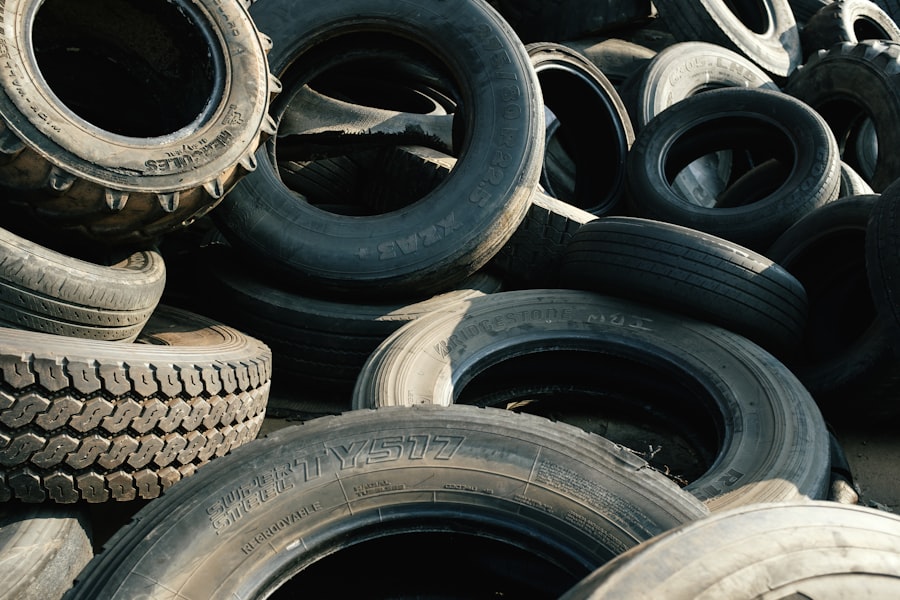
- Tires: If they meet safety standards, tires can be resold. Otherwise, they are sent for crumb rubber production or other recycling applications.
- Metal Recycling: After reusable parts are extracted, the remaining vehicle hulk is primarily composed of various metals. These are meticulously separated and sent to specialized facilities.
- Steel and Aluminum: The most prevalent metals in a car, steel and aluminum are highly valuable. They are shredded, meticulously separated using magnetic and eddy current technologies, and then sent to mills and smelters. Here, they are melted down and reformed into new products, such as new infrastructure components, household appliances, and even new vehicle parts. This significantly reduces the energy and environmental footprint associated with mining and processing virgin metals.
- Other Non-Ferrous Metals: Copper (from wiring harnesses), brass, and other precious metals are also recovered and recycled, adding to the overall resource efficiency.
- Plastic and Glass Recycling: While often a smaller percentage of a vehicle's weight, plastics and glass are also separated for recycling. Advances in automotive material science mean more plastics are now recyclable, and windshield glass can be processed for various industrial applications.
This comprehensive material recovery not only conserves natural resources but also reduces landfill waste and the energy consumption associated with manufacturing new products from raw materials.
If you're interested in eco-friendly car recycling in Toronto, you might find the article on junk car disposal in Ontario particularly insightful. It discusses various methods of responsibly disposing of old vehicles while minimizing environmental impact. You can read more about it by visiting this link: Junk Car Disposal in Ontario. This resource provides valuable information on how to ensure that your vehicle is recycled in an environmentally friendly manner.
The Broader Impact of Ontario’s Recycling Evolution
The commitment to sustainable car recycling in Toronto is part of a larger, evolving landscape of waste management and environmental policy across Ontario. Recent provincial initiatives are reshaping how waste is handled, from household recycling to industrial processes.
Expanding Recycling Under EPR/Blue Box Changes
Ontario's push towards Extended Producer Responsibility (EPR) and the changes to the Blue Box program are significantly expanding the province's recycling infrastructure. This shift places greater responsibility on producers for the end-of-life management of their products, fostering innovation in recycling technologies and processes.
- WM Canada’s Investment: Large waste management companies like WM Canada are responding to these changes by investing in new, state-of-the-art recycling facilities. These facilities are designed to handle a broader range of materials and improve the efficiency and quality of recycled outputs. While primarily focused on residential materials, this overarching infrastructure improvement sets a precedent for higher recycling standards across all sectors, including automotive.
- Circular Materials Taking the Helm: The management of Toronto’s residential Blue Box program is transitioning to Circular Materials, a not-for-profit organization formed by producers. This change aims to standardize recycling practices and improve overall system efficiency. For residents, this means updated sorting rules and a new point of contact for service questions (GFL/Circular Materials). While directly impacting household waste, the principles of producer responsibility and enhanced sorting efficacy can indirectly influence how other complex waste streams, like end-of-life vehicles, are approached in the future.
These provincial shifts underscore a growing collective commitment to a more circular economy, where resources are kept in use for as long as possible, extracting the maximum value from them while in use, then recovering and regenerating products and materials at the end of each service life.
The Gap in EV Battery Recycling: A Future Challenge
While traditional vehicle recycling has made significant strides, the advent of electric vehicles (EVs) presents new challenges, particularly concerning end-of-life battery disposal and recycling.
- Lack of Strong Federal Rules: Currently, Canada lacks robust federal regulations specifically addressing EV battery recycling. This regulatory gap means that the industry largely operates on voluntary programs, which may not be sufficient to handle the anticipated surge in end-of-life EV batteries in the coming years.
- Ontario's Voluntary Recovery: Ontario, like other provinces, is primarily relying on voluntary recovery programs from manufacturers and third-party recyclers for EV batteries. While these programs initiate collection and some recycling, they are not comprehensive enough to ensure all EV batteries are handled responsibly and efficiently. The complexities of EV battery chemistry, size, and weight pose significant logistical and safety challenges.
- University of Toronto Research: Promising advancements are being made in Ontario to address this challenge. Researchers at the University of Toronto are at the forefront of developing "cleaner methods" to recover critical materials from EV batteries, such as lithium, nickel, cobalt, and manganese.
- Reduced Waste Generation: Their research focuses on hydrometallurgical or pyrometallurgical processes that are more environmentally friendly, using fewer hazardous chemicals and generating less secondary waste compared to conventional methods.
- Higher Recovery Rates: The goal is to achieve higher recovery rates of valuable metals, making EV battery recycling more economically viable and environmentally sustainable.
- Closed-Loop Systems: Ultimately, this research aims to pave the way for closed-loop battery recycling systems in Canada, where materials from old EV batteries can be directly used in the production of new ones, significantly reducing the environmental footprint of EV manufacturing.
As EV adoption accelerates, the need for robust, regulated, and efficient EV battery recycling infrastructure will become paramount. Scrap Car Ontario remains attuned to these developments, preparing for future advancements in vehicle recycling technology.
Why Choose Eco-Friendly Car Recycling in Toronto?

Choosing an eco-friendly car recycling service like Scrap Car Ontario offers a multitude of benefits, extending beyond just getting rid of your old vehicle. It’s a decision that reflects responsible environmental stewardship and supports local sustainability efforts.
Environmental Benefits
- Reduced Landfill Waste: By recycling up to 95% of a vehicle's materials, we significantly decrease the amount of waste sent to Toronto's landfills, preserving precious space and reducing environmental strain.
- Conservation of Natural Resources: Recycling metals, plastics, and other materials reduces the need to extract virgin resources, saving energy, water, and minimizing habitat destruction associated with mining and manufacturing.
- Reduced Pollution: Proper depollution prevents hazardous fluids and materials from contaminating soil, water, and air, leading to cleaner ecosystems and healthier communities in Toronto.
- Lower Carbon Footprint: Manufacturing products from recycled materials typically requires substantially less energy than producing them from raw materials, leading to a significant reduction in greenhouse gas emissions.
Economic and Community Benefits
- Stimulates Local Economy: Reusing and recycling car parts creates jobs in the automotive recycling sector, repair shops, and manufacturing industries.
- Affordable Parts for Consumers: The availability of high-quality used parts makes vehicle repairs more affordable for Toronto residents, extending the life of existing vehicles.
- Supports Responsible Industries: Choosing licensed, eco-friendly recyclers encourages ethical business practices and environmental compliance within the industry.
Sure, here is the sentence with the clickable link:
Top Cash For Junk Cars is offered by Scrap Car Ontario.
Checklist for Eco-Friendly Car Recycling

Before you hand over your vehicle for scrap, a few simple steps can ensure a smooth and responsible process.
- Remove Personal Belongings: Double-check your car thoroughly for any personal items – documents, CDs, loose change, garage door openers, etc.
- Gather Vehicle Documents: Have your vehicle ownership (permit) and a piece of photo identification ready. This confirms you are the legal owner.
- Cancel Insurance: Once the car is picked up and ownership transferred, remember to cancel your vehicle insurance to avoid unnecessary charges.
- Remove License Plates: In Ontario, license plates must be removed before the car is scrapped. You can return them to a ServiceOntario centre or retain them for use on another vehicle.
- Inform Financial Institutions (if applicable): If there’s a lien on your vehicle, ensure it’s cleared and the financial institution is aware you’re scrapping the car.
- Look for Licensed Recyclers: Always choose a licensed auto recycler like Scrap Car Ontario. This ensures compliance with environmental regulations and proper disposal practices.
In Toronto, the movement towards eco-friendly car recycling is gaining momentum as more residents seek sustainable ways to dispose of their vehicles. For those interested in learning about the benefits and processes involved in selling junk cars while contributing to environmental conservation, a related article can be found here: exploring eco-friendly options. This resource provides valuable insights into how recycling old cars can reduce waste and promote a greener future for the city.
Factors Influencing Your Scrap Car Quote
| Metrics | Data |
|---|
| Number of eco friendly car recycling facilities in Toronto | 5 |
| Percentage of car parts recycled | 85% |
| Amount of CO2 emissions reduced annually | 500 tons |
| Number of jobs created in the eco friendly car recycling industry | 200 |
While we don't provide exact pricing online, several factors determine the value of your scrap car. Scrap Car Ontario offers free, no-obligation quotes tailored to your vehicle's specific condition.
- Year, Make, and Model: Newer, more popular models often yield more in salvageable parts.
- Vehicle Condition: Whether the car is running, has extensive body damage, or is missing parts significantly impacts its value. A car with more reusable components will typically command a higher price.
- Weight of the Vehicle: The amount of salvageable metal, particularly steel and aluminum, is a major factor, as scrap metal prices fluctuate.
- Presence of Catalytic Converter: Catalytic converters contain valuable precious metals (platinum, palladium, rhodium) and are a significant contributor to a car's scrap value.
- Location: While Scrap Car Ontario serves Toronto and an 80 km radius, very remote locations might slightly affect transportation costs if you are on the extreme edge of our service area.
- Current Scrap Metal Market Prices: The global market for recycled metals fluctuates daily, directly impacting the value of your scrap car.
Our experts take all these factors into account to provide you with the most competitive and fair offer for your end-of-life vehicle.
Serving Toronto and the Greater Toronto Area (GTA)
Scrap Car Ontario is proud to offer professional, eco-friendly car recycling services throughout Toronto and its surrounding communities. Our extensive service area ensures that residents and businesses within an 80 km radius have access to responsible vehicle disposal options.
We regularly serve:
- Toronto: All boroughs, from Scarborough to Etobicoke, North York to Downtown.
- Mississauga: Including Port Credit, Streetsville, and Erin Mills.
- Brampton: From Castlemore to Fletcher's Meadow.
- Markham: Servicing Unionville, Cornell, and Angus Glen.
- Vaughan: Including Woodbridge, Maple, and Thornhill.
- Richmond Hill: From Jefferson to Oak Ridges.
- Oakville: Covering Bronte to Glen Abbey.
- Burlington: From Aldershot to Millcroft.
- Ajax, Pickering, Whitby, Oshawa: Across Durham Region.
- And many other towns and villages within our comprehensive 80 km radius.
Our commitment to prompt, reliable service means we can often arrange for same-day or next-day pickup at your convenience, making the process of scrapping your car as simple and stress-free as possible.
Frequently Asked Questions
Q1: What kind of vehicles do you accept for eco-friendly recycling?
A1: We accept a wide range of vehicles, including cars, trucks, vans, SUVs, and even commercial vehicles, regardless of their condition. Whether your vehicle is running, extensively damaged, or hasn't moved in years, we can scrap it responsibly.
Q2: Is there a cost for your eco-friendly car recycling service?
A2: No, in most cases, we pay you for your scrap car. We offer competitive cash offers based on the vehicle's make, model, condition, and current scrap metal market prices. We also offer free towing from your location within our service area.
Q3: How quickly can you pick up my scrap car in Toronto?
A3: We aim for prompt service. In many cases, we can arrange for same-day or next-day pickup, depending on your location within Toronto or the GTA and our schedule availability. We prioritize your convenience.
Q4: How do I know my car will be recycled responsibly and not just dumped?
A4: Scrap Car Ontario is a licensed auto recycler that adheres to all provincial and municipal environmental regulations. We follow stringent depollution and material recovery processes to ensure that your vehicle is recycled in the most environmentally sound manner, preventing pollution and maximizing resource recovery.
Q5: Do I need to be present during the car pickup?
A5: Ideally, yes. We prefer the registered owner or an authorized representative to be present to sign the necessary paperwork (bill of sale and transfer of ownership) and to receive payment. If you cannot be present, please discuss alternative arrangements with us when you schedule the pickup.
Q6: What documents do I need to scrap my car in Ontario?
A6: You will need your vehicle ownership (permit) and a valid piece of government-issued photo identification (such as a driver's license). Make sure to remove your license plates before pickup, as they need to be returned to ServiceOntario or transferred to another vehicle.
Start Your Eco-Friendly Car Recycling Journey Today
At Scrap Car Ontario, we are dedicated to providing Toronto and the GTA with a seamless, fair, and environmentally responsible way to dispose of end-of-life vehicles. Choosing us means you're not just getting rid of an old car; you're contributing to a sustainable future for our community and our planet. Our professional team ensures that every step, from quotation to pickup and recycling, is handled with care and efficiency.
Don't let your old vehicle take up valuable space or become an environmental concern. Make the responsible choice today.
Call Scrap Car Ontario now for your free, no-obligation quote and discover how easy it is to recycle your car the eco-friendly way!
Call Now For a Free Quote
FAQs
What is eco-friendly car recycling?
Eco-friendly car recycling refers to the process of dismantling and disposing of end-of-life vehicles in an environmentally responsible manner. This includes salvaging and recycling usable parts and materials, and properly disposing of hazardous substances.
How is car recycling beneficial for the environment?
Car recycling helps reduce the amount of waste sent to landfills, conserves natural resources by reusing materials such as metal and plastic, and minimizes the environmental impact of producing new car parts.
What are the steps involved in eco-friendly car recycling?
The process typically involves draining fluids, removing and salvaging usable parts, shredding the vehicle to separate materials, and recycling metals, plastics, and other components. Hazardous materials such as batteries and fluids are disposed of properly.
Where can I recycle my car in Toronto?
There are several eco-friendly car recycling facilities in Toronto that accept end-of-life vehicles. These facilities are equipped to handle the proper dismantling, recycling, and disposal of cars in an environmentally responsible manner.
What are the benefits of recycling my car in Toronto?
By recycling your car in Toronto, you can contribute to reducing the environmental impact of end-of-life vehicles, support the local recycling industry, and potentially receive compensation for the value of the materials salvaged from your car.